After 30 years, parents can finally see their twins born from frozen embryos. The fact that Rachel Ridgeway, a mother of six, is only three years older than her children makes her very happy.
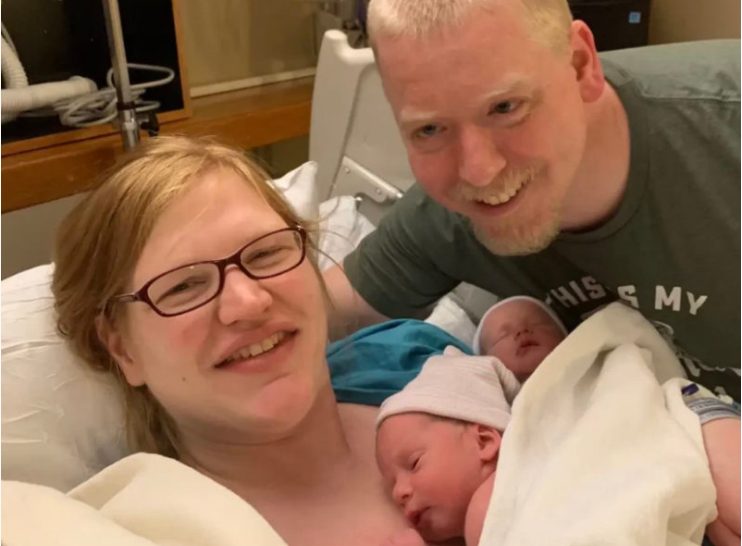
Three weeks ago a set of twins were born, and they are now believed to be the oldest embryos to ever result in a successful live birth.
Three decades after Rachel and Philip froze embryos for their children Timothy and Lydia in April 1992, Rachel was pregnant.
The children were born to unnamed biological parents who underwent in vitro fertilization and donated any extra embryos to a facility called the National Embryo Donation Center (NEDC).
They were among thousands of embryos preserved in liquid nitrogen by the Christian charity, which only helps heterosexual married couples who have lived together for at least three years.
Like the Ridgeways, many people living in poverty have turned to the NEDC for help since its founding in 2002.
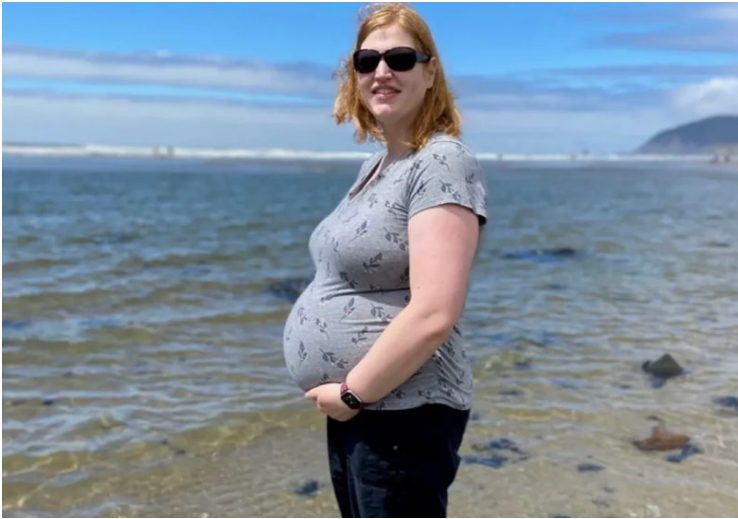
Philip, a devout Christian, said: “I was 5 years old when God brought these embryos to life. Since Rachel was only three years old when they were conceived, he said, their delivery was all the more miraculous.
The father said, “It’s mind-boggling to think about it.” Virtually everyone we’ve discussed it with has struggled to conceptualize it.
In December 2019, the Ridgeways approached the NEDC with their four children, ages two to eight.
In order to conceive their three older children, Rachel and her husband took the fertility drug Clomid.
In 2020, they hoped to welcome their fourth child into the world. Together, they decide to “adopt” a frozen embryo from the NEDC in Knoxville, Tennessee.
To save money, Rachel and I decided to adopt embryos instead of undergoing fertility treatment. We intended to go this route on purpose.
Their fourth child, who is now two years old and arrived unannounced a few months later.
On the other hand, they wanted to expand their family. A revision of their plan was necessary.
Philip claims that their religious beliefs were the driving force behind their actions. The 35-year-old said: “We’ve always said,
“Let’s have as many babies as God wants to give us. “If it’s God’s will, we’re not done yet,” they said.
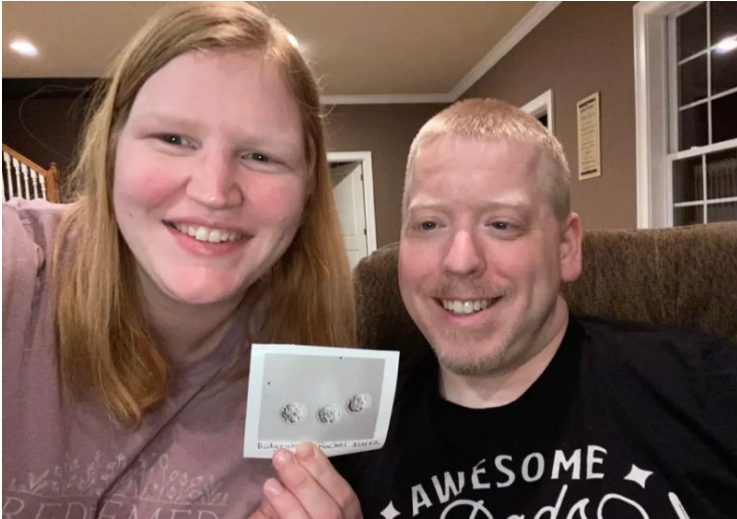
The Vancouver, Washington couple chose their embryos in December 2021 from the NEDC’s “special consideration” section.
As Rachel said, “These embryos are usually discarded because their donors have a history of specific genetic disorders.”
Many parents who enter the procedure are curious about what their child may have, but “we realized that these youngsters are rarely looked at,” Rachel said.
We didn’t care if they were considered perfect, the mother said. The 34-year-old claims the twins’ biological father died of amyotrophic lateral sclerosis (often known as Lou Gehrig’s disease).
It’s possible that it’s a genetic trait that children may or may not inherit,” Rachel said. “But that didn’t matter to us. »
Philip told Insider that unlike other expectant parents, they weren’t concerned about the age of the embryos.
Two were made and three were shipped. On October 31, 2022, at the age of 38 weeks, Rachel gave birth after an uneventful pregnancy.
Tim weighed in at a healthy 6 pounds and 7 ounces. Lydia was the smallest of the group at 5 pounds.
The birth of the twins has been verified by the University of Tennessee Preston Medical Library.
The former record holder is Molly Gibson, born in 2017. The “Molly” embryo was frozen and stored for a total of 24 years.
The Ridgeways told Insider they have no intention of making a name for themselves with the 30-year-old embryos.
The couple came to a consensus on how to raise their children. We want the adoption to be part of the twins’ story, Rachel said. To paraphrase, “We want it to be part of their existence. »
They would learn their story from their parents and grandparents when they were old enough to understand it, she said.
Rachel explained, “They will always know they are adopted. “It is important that they know what an individual they are because of their embryo adoption. »


